

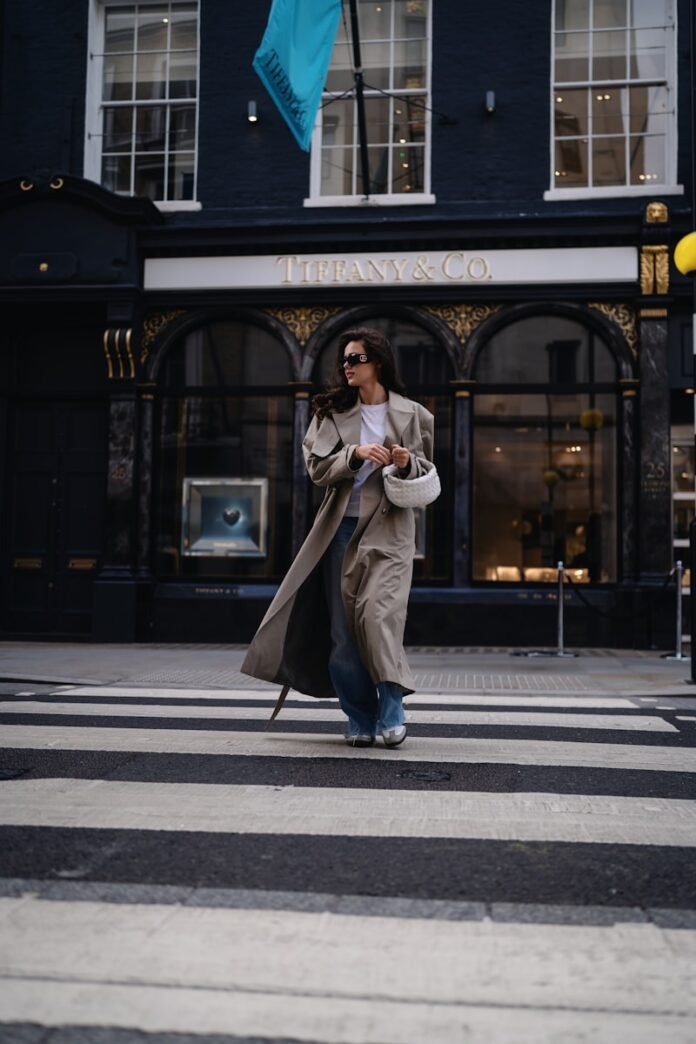
An investment‑worthy handbag is not just expensive; it is a piece that holds its value in three ways at once: in your daily life, in your wardrobe over time, and often on the resale market. The bags that genuinely earn that label combine craftsmanship, timeless design, practical usefulness, and a track record of demand that outlives trends.
Investment starts with your real life
Before resale charts and brand lists, the first question is whether the bag will actually work hard for you. A true investment piece is one that fits your routines, carries what you need, and makes sense with your climate, commute, and style, so it is worn often instead of parked in a dust bag.
That means checking basics that sound unglamorous but matter every day: weight when empty, strap drop, closure security, and interior layout. A beautifully made bag that is too heavy, too fussy, or too small for your essentials is an expensive ornament, not an investment.
Craftsmanship and materials you can feel
Quality and construction sit at the heart of investment value. High‑end bags use better leathers or durable canvases, cleaner cutting, strong stitching, and hardware that will not chip or lose plating after a season.
Full‑grain and well‑finished top‑grain leathers are favored because they age with a patina instead of collapsing or cracking, while robust coated canvas and structured saffiano‑type finishes resist scratches and rain. Inside, neat edges, even lining, and solid zippers signal that the bag can withstand years of use and still look refined.
Timeless design over the “it” moment
The strongest investment bags have shapes and proportions that outlast fashion cycles. Clean lines, balanced structure, and neutral color options give them a quiet presence that feels appropriate at different ages, jobs, and dress codes.
Classic top‑handle styles, simple totes, and minimal shoulder bags usually weather trend swings better than highly experimental silhouettes. Black, tan, navy, and soft neutrals tend to retain appeal longer than niche statement shades, especially for buyers who treat the bag as an everyday companion instead of a novelty.
Core qualities of an investment‑worthy handbag
Brand heritage and the resale question
On the financial side, brand reputation and model history play a major role. Heritage houses with tight control over supply and longstanding demand tend to produce the bags that hold or even exceed retail prices on the secondary market.
Certain models from brands like Hermès, Chanel, and Louis Vuitton are tracked almost like collectibles because of their limited supply, iconic status, and consistent interest from buyers globally. These bags can sometimes outperform other luxury goods as assets, but only when condition is excellent and authenticity is documented.
Rarity, but not gimmicks
Rarity can amplify investment value, yet not all limited editions are equal. Bags tied to meaningful collaborations, anniversaries, or already‑popular core designs often age better than random novelty pieces that are rare but disconnected from what made the brand desirable in the first place.
A smart approach is to start with a model that already has a stable reputation and, within that family, choose a version that is slightly less common but still wearable: a special hardware finish, a seasonal color that functions as a neutral, or a subtle twist in size. This balances uniqueness with practicality.
Condition, care, and documentation
Even the most coveted bag loses value if it is heavily worn. Corner scuffs, darkened handles, stains, and loose stitching can significantly reduce resale prices, sometimes by half, while pristine or gently used pieces retain more of their original cost.
Storing the bag in its dust bag, keeping stuffing inside to hold shape, and avoiding overloading are simple habits that protect structure and surface. Original boxes, authenticity cards, receipts, and care booklets act like provenance in the art world, often making a noticeable difference when selling or passing the bag on.
Trends versus long‑term value
Trend reports spotlight new “most wanted” bags each season, and some of these do evolve into long‑term staples. When a design moves from hype piece to permanent collection—especially in a major house—it signals that the brand plans to support and reissue it, increasing recognition and potential resale interest over time.
However, leaning purely on current trends is risky if investment is the goal. Many hyped silhouettes or micro‑bags feel dated a few years later and are harder to resell, even from top labels. A bag that quietly appears season after season may be less flashy now but more reliable as a long‑term bet.
Emotional return on investment
There is also a softer, often overlooked side: the emotional and practical return you personally get from the bag. If carrying it makes you stand taller, simplifies your outfits, and brings a sense of calm rather than anxiety about scratches, it is delivering value that spreadsheets cannot capture.
Many people end up treasuring the bags they reach for without thinking—the ones that work across errands, meetings, and dinners—more than the trophy pieces they rarely dare to use. From that perspective, an “investment‑worthy” handbag is one that becomes a steady part of your life, not only a number on a resale chart.
Putting it all together
A truly investment‑worthy handbag sits at the intersection of three circles: it is beautifully made and durable, it has a design and brand story that stay desirable over time, and it genuinely serves your day‑to‑day reality. When those align, cost per wear drops, options open up in your wardrobe, and you gain something that can move with you through different seasons of life—possibly even into someone else’s hands one day, still carrying both value and memory.